
Chester Society for Landscape History
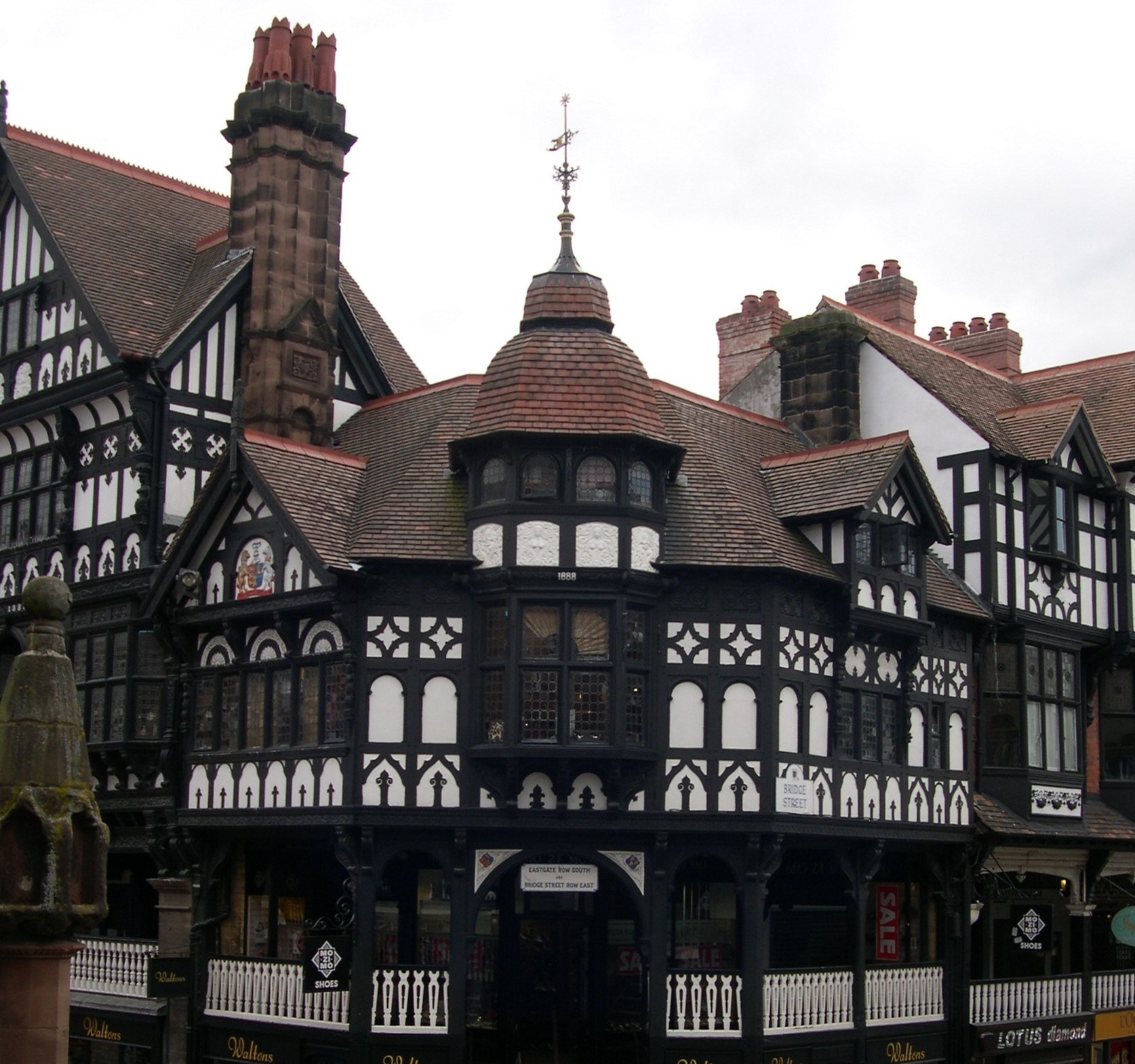
The upper storeys of Chester’s iconic Rows. Although the structures date from the Middle Ages, the one on this corner was restyled by T.M. Lockwood for Chester City Council in 1888. (Photograph: Vanessa Greatorex)
Forthcoming Events
VISITORS WELCOME
Saturday 31 October 2026, 2pm
Lecture: Eastham Pleasure Gardens: A Journey Back In Time
Speaker: David Mottram
Venue: St Columba’s Church Hall, Plas Newton Lane, Chester, CH2 1SA
Admission: Members free, Visitors £4, Student Visitors £2
NB: Free car park; for directions see:
https://sscolumbaandtheresa.co.uk/about/st-columbas-church/directions-and-location/
VISITORS WELCOME
Saturday 28 November 2026, 2pm
Lecture: To be confirmed
Speaker: To be confirmed
Venue: St Columba’s Church Hall, Plas Newton Lane, Chester, CH2 1SA
Admission: Members free, Visitors £4, Student Visitors £2
NB: Free car park; for directions see:
https://sscolumbaandtheresa.co.uk/about/st-columbas-church/directions-and-location/


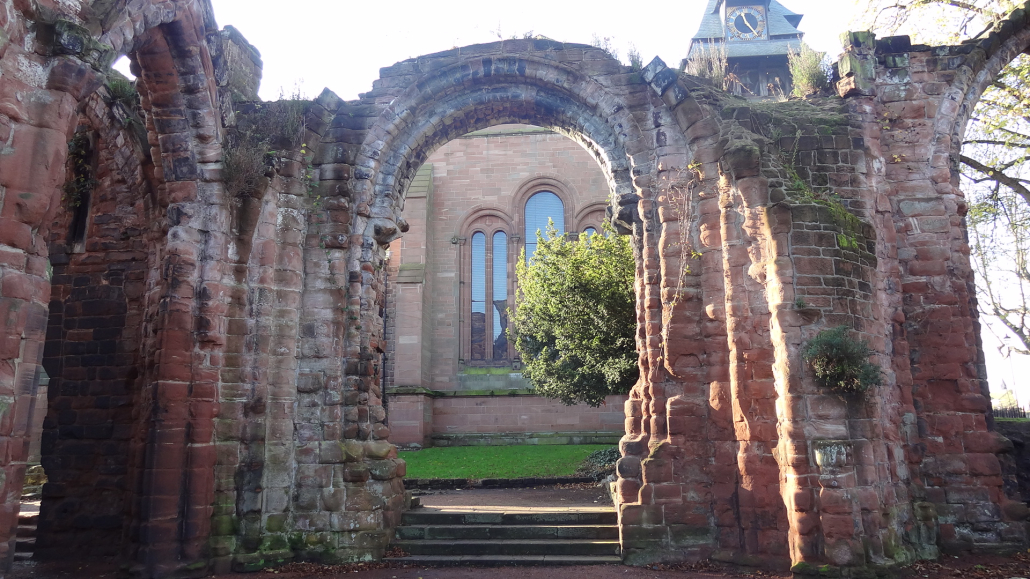

What is Landscape History?
Landscape History is the study of how people have altered the landscape through time.
It seeks to explain the historical significance of the buildings, earthworks, flora and other physical features which are our common heritage. It embraces aspects of history, archaeology, architecture, geography, geology, botany and other disciplines.
“The English landscape itself, to those who know how to read it aright, is the richest historical record we possess.” – W.G. Hoskins, The Making of the English Landscape (1955).
Picks of the Week
Here are some links to online landscape history resources recently recommended by our Information Officer and other members:
Roman villa at Rossett
Finds at the first confirmed Roman villa to be found in North Wales include various Roman artefacts, including a lead ingot, flooring, and ceramics.
https://www.dailypost.co.uk/news/north-wales-news/new-dig-north-waless-first-34511915
Roman aqueducts
Description of the materials and techniques used to build aqueducts in Roman times, plus photos of surviving Roman aqueducts in Segovia, Pont du Gard and Caesarea.
https://www.livescience.com/archaeology/romans/how-did-the-romans-build-their-towering-aqueducts?utm_term=45CAB862-7568-43AB-A667-BD7298D261D3&lrh=84ce638986bc73b191ec0774c05a547009942838093c58c9450b62a0b824de21&utm_campaign=368B3745-DDE0-4A69-A2E8-62503D85375D&utm_medium=email&utm_content=32054398-C1F0-4C62-A443-FD499564013E&utm_source=SmartBrief
Click on the blue text at the end of this sentence for links to previously recommended Online Resources or for links to specific topics, including: Directories/Databases/Aerial Photographs, Geology, Ecosystems, Prehistory, Roman, Anglo-Saxon, Viking, Medieval, Tudor and Stuart, Castles, Churches/Cathedrals/Shrines, Industrial, Cheshire, Wales, Other Locations.